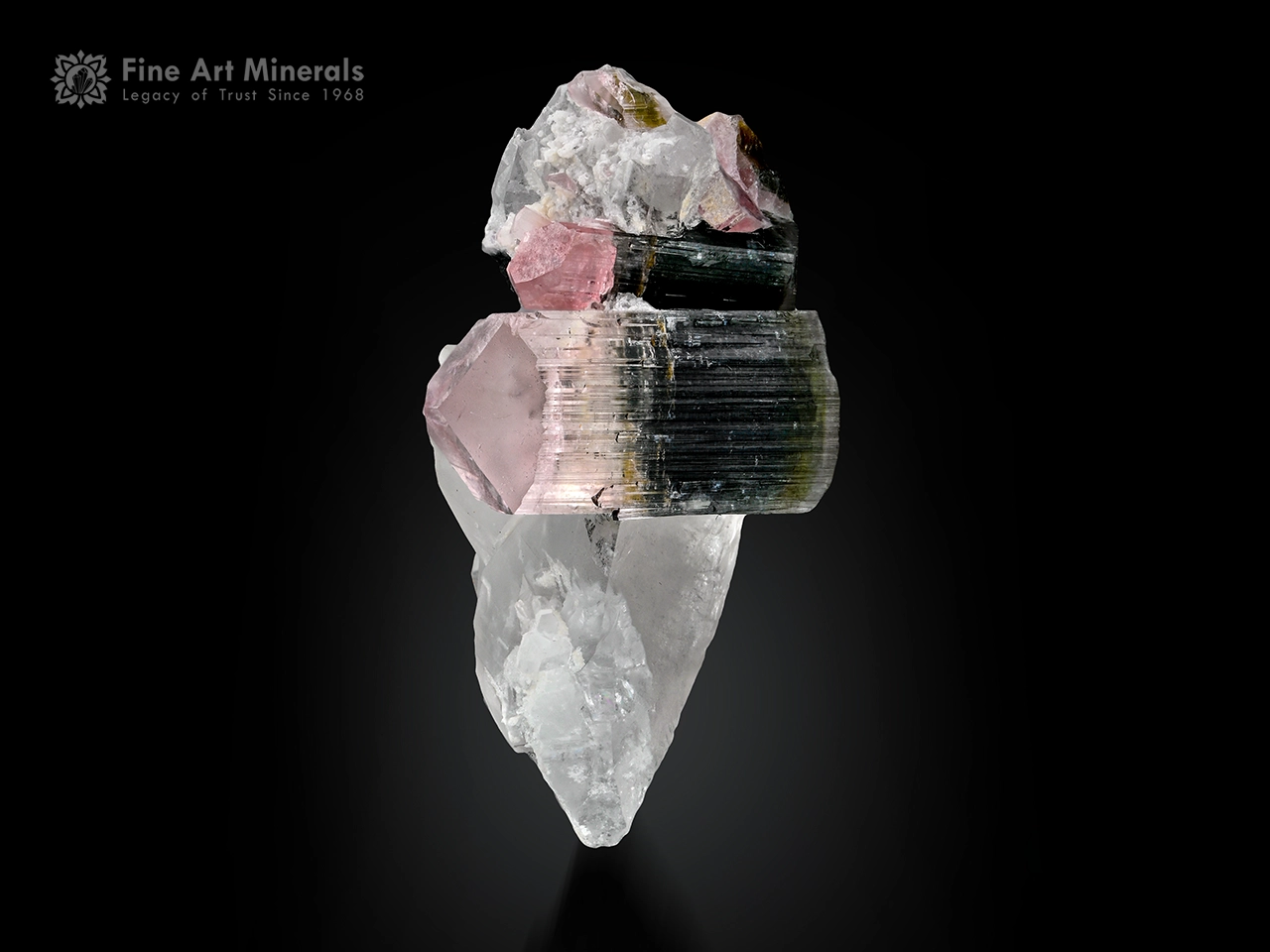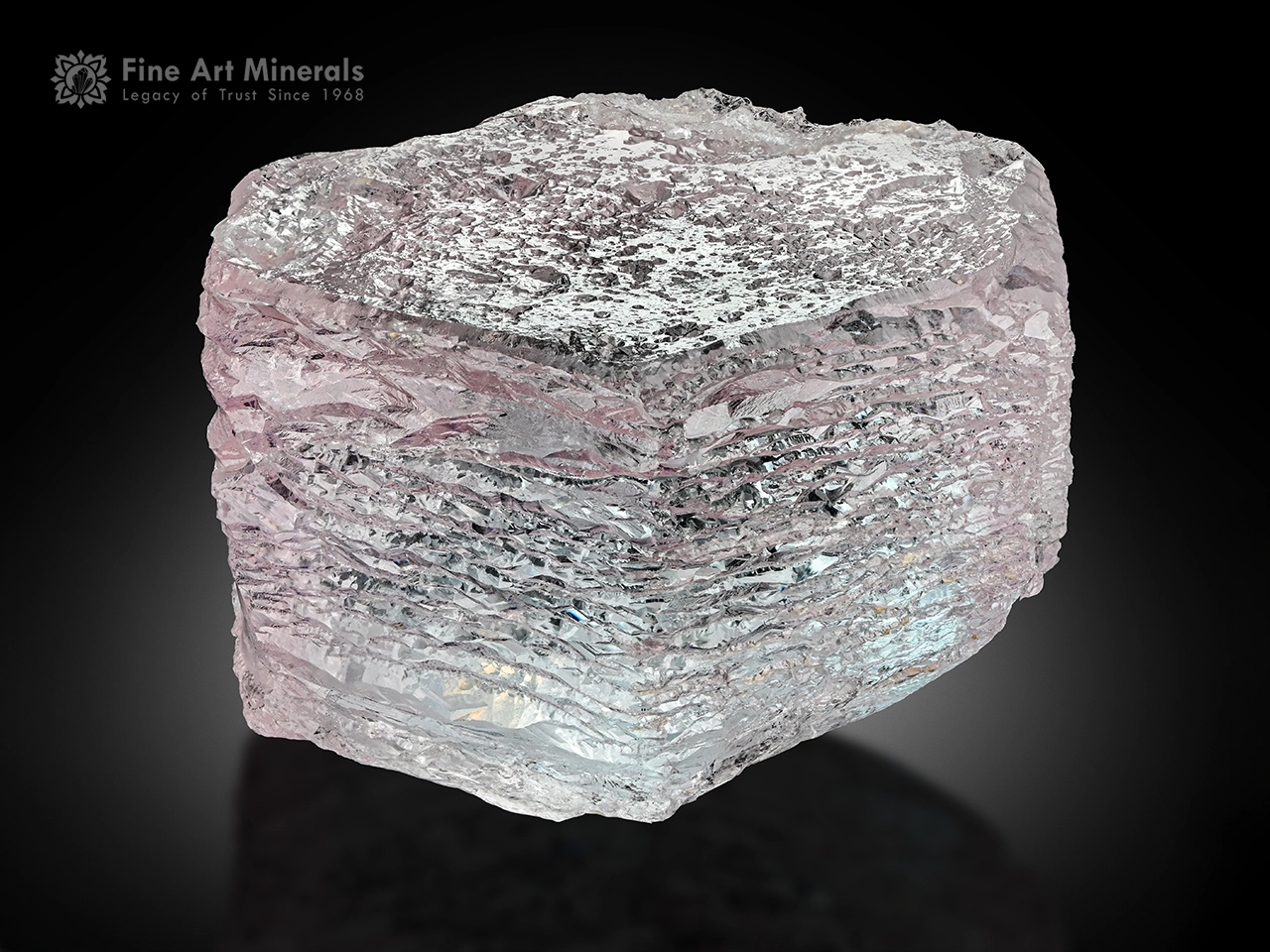
Blog
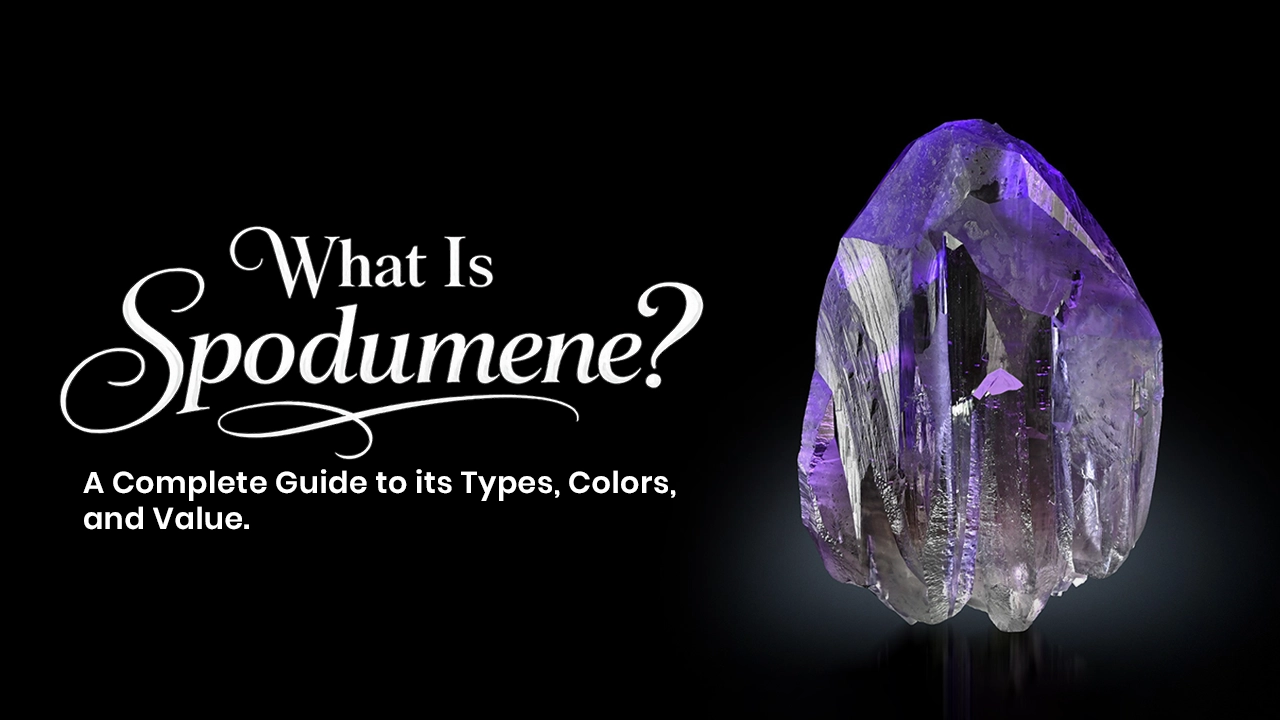
What Is Spodumene?
Spodumene. It’s not the kind of name that rolls off the tongue, but once you get to know it, it’s hard not to be impressed.
At first glance, it might look like any other mineral pulled from deep within the Earth. But Spodumene is living a fascinating double life. On one side, it’s a gemstone chameleon, transforming into soft pink Kunzite, vivid green Hiddenite, and the understated beauty of Triphane. On the other hand, it quietly powers the devices we use every day — phones, laptops, electric vehicles — thanks to its rich lithium content.
Geologically speaking, Spodumene is a lithium aluminum inosilicate that forms in large, column-like crystals inside pegmatites, a type of coarse-grained igneous rock. It belongs to the pyroxene family, and its structure — monoclinic and prismatic — is part of what makes it both striking and delicate.
In short, Spodumene is that rare mineral that brings together beauty and utility, glamour and grit.
Where Is Spodumene Found?
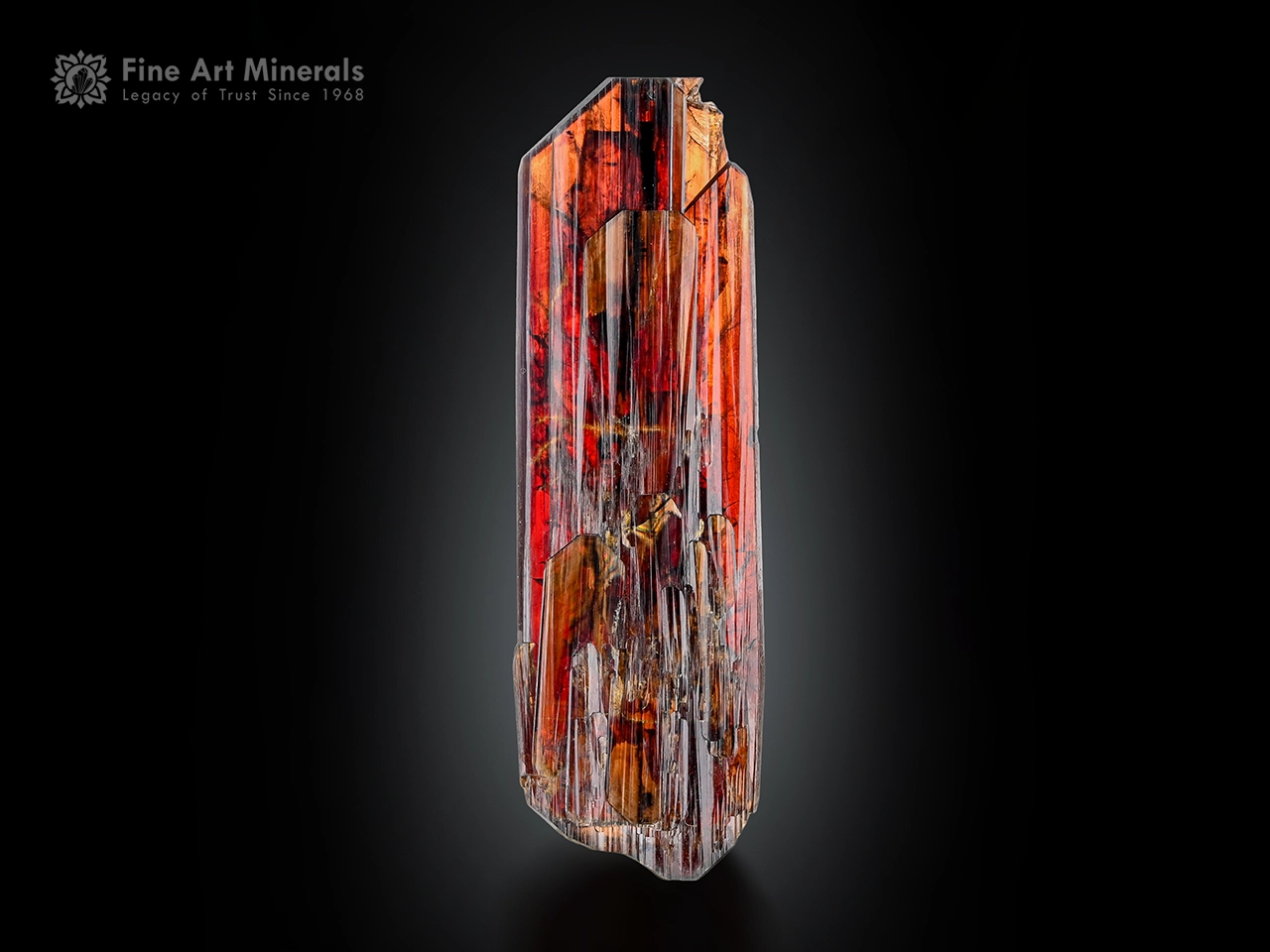
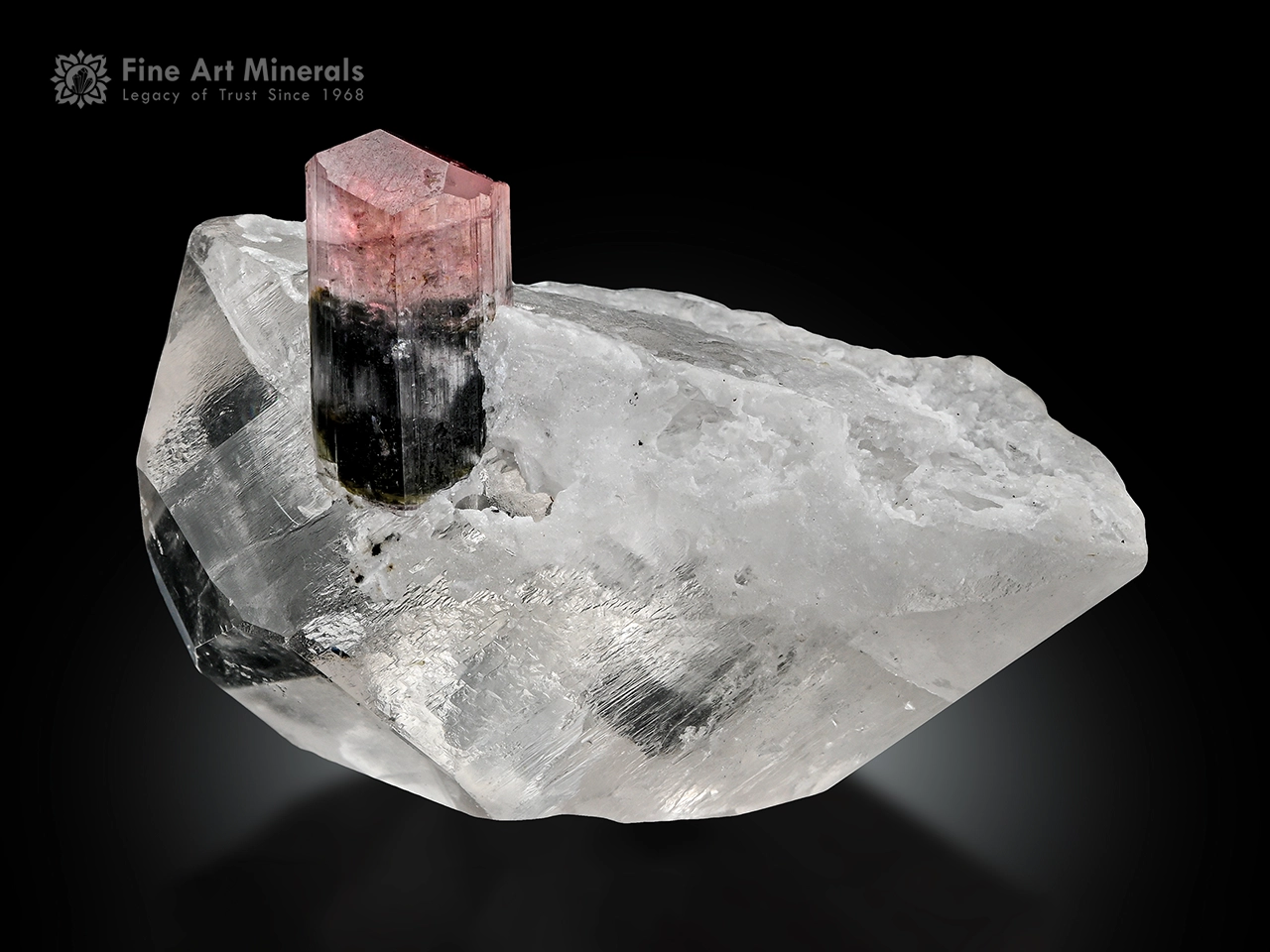
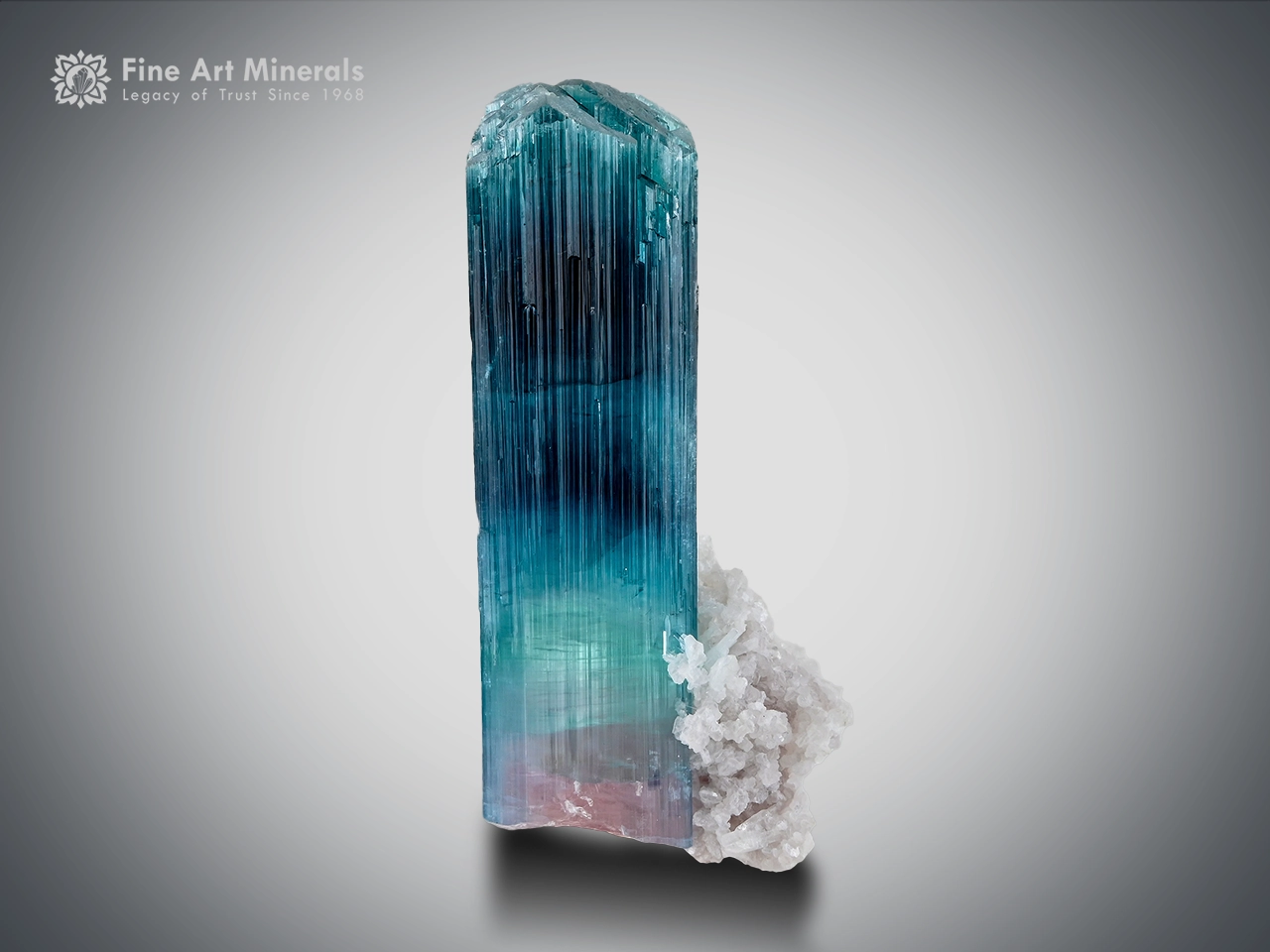
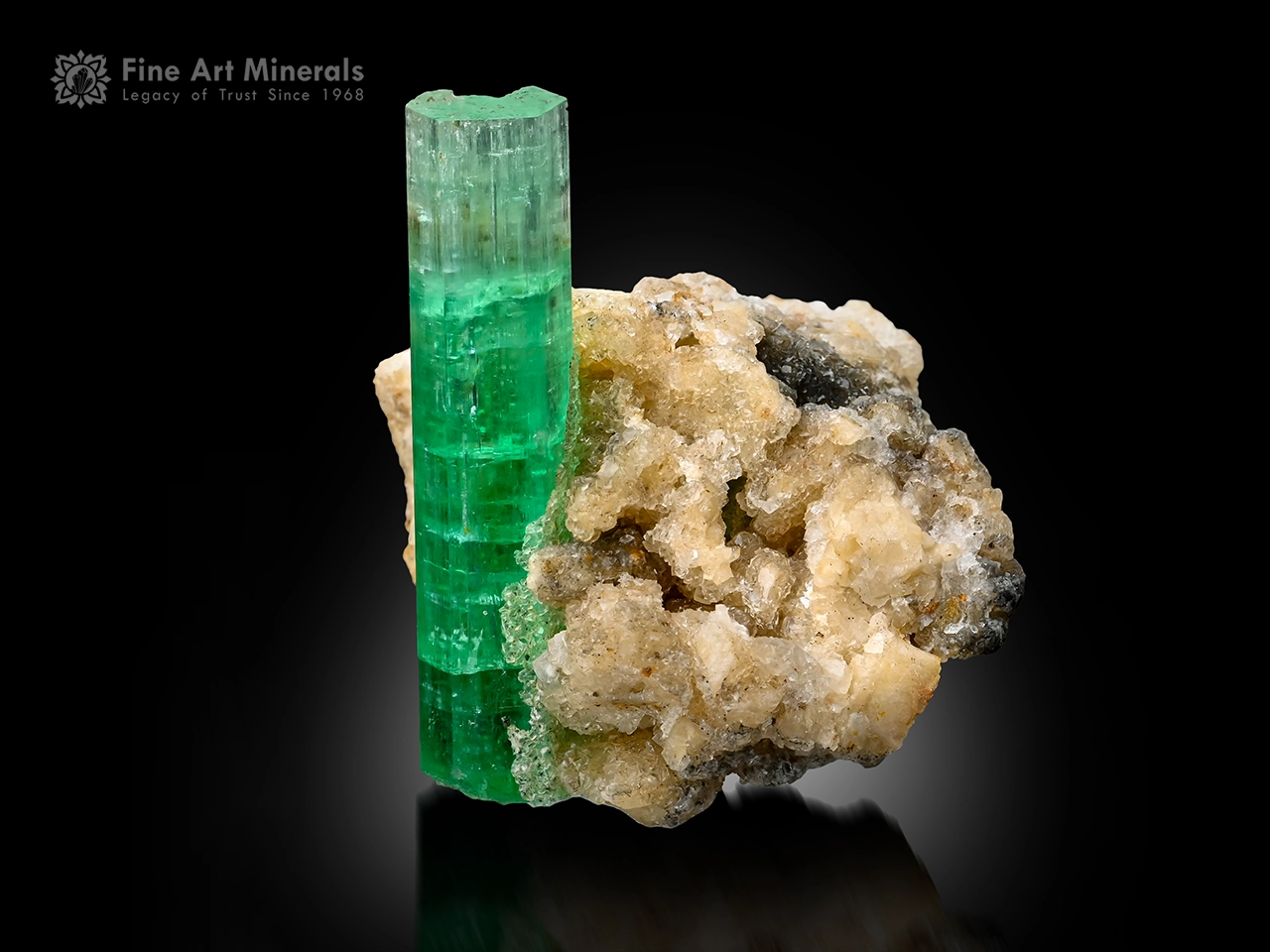
Spodumene forms deep underground in the slow-cooling magma chambers known as pegmatite veins. These coarse-grained igneous rocks give crystals the room and time they need to grow big, and Spodumene takes full advantage of that. The results? Towering, glassy crystals with the kind of clarity and color collectors dream about.
Here’s a quick tour of where Spodumene makes its mark:
- Afghanistan – The Nuristan region is famed for vibrant pink Kunzite and rare green Hiddenite. Afghan material is sought after for both its size and brilliance.
- Brazil – Minas Gerais is a gemstone powerhouse, delivering spodumene in dazzling shades and high clarity.
- Pakistan – Especially notable for large, clean Kunzites in that soft lilac tone everyone loves.
- United States – California and North Carolina lead the pack, with North Carolina lending its name to the green variety: Hiddenite.
- Madagascar – A bit under the radar, but worth watching — their material is bright, colorful, and often a hidden gem (pun intended).
Wherever it’s found, Spodumene tells a local story — of heat, pressure, and time — translated into form and color.

What Does Spodumene Look Like?
If you were to hold a raw piece of Spodumene in your hand, you might not think much of it. Maybe a little pale. Maybe a little heavy. But under the right conditions — with the right clarity and color — Spodumene transforms.
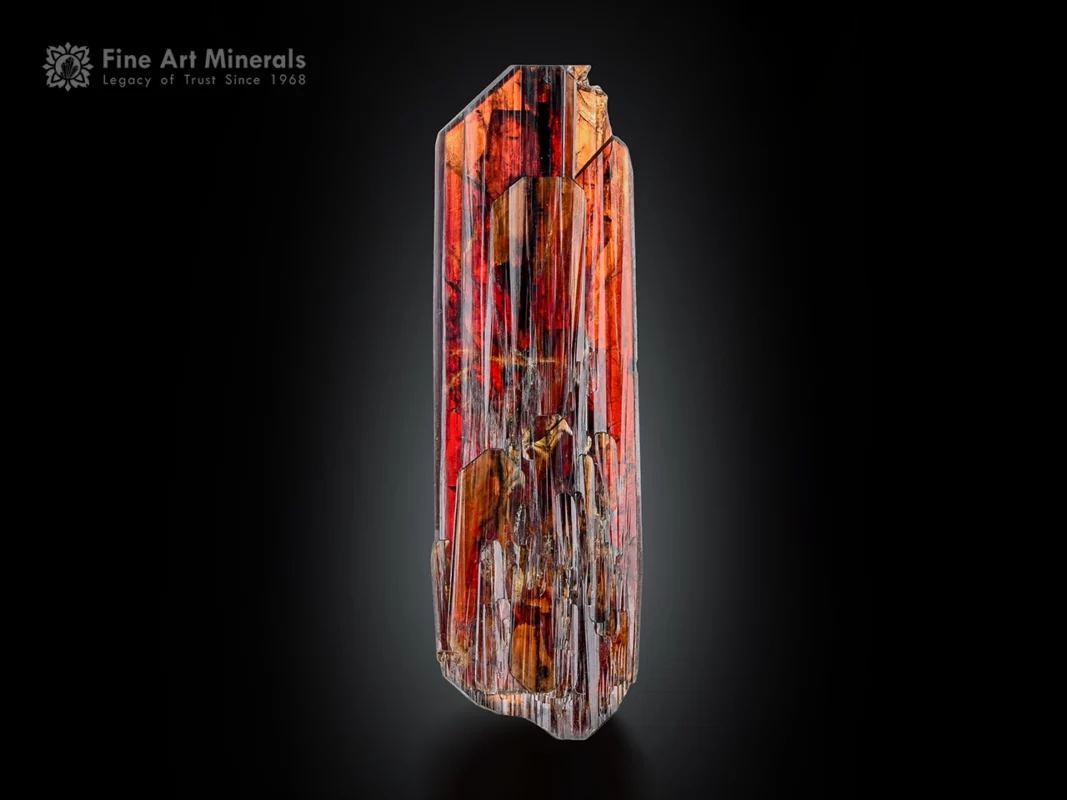
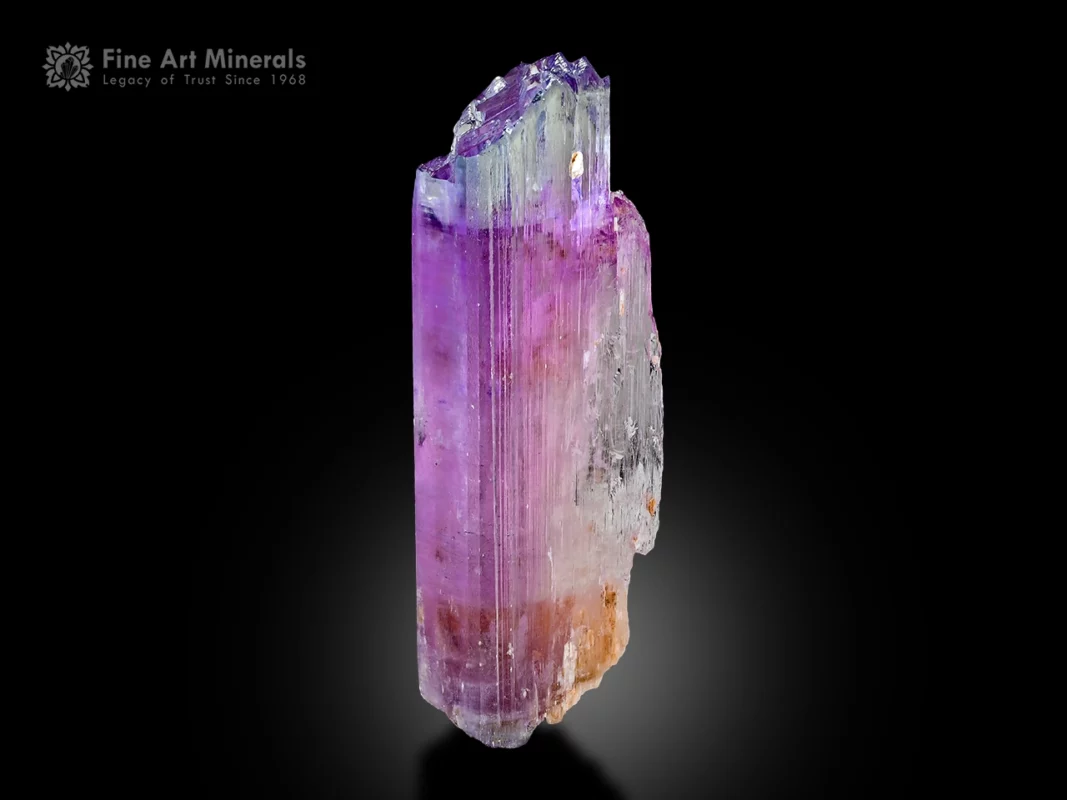
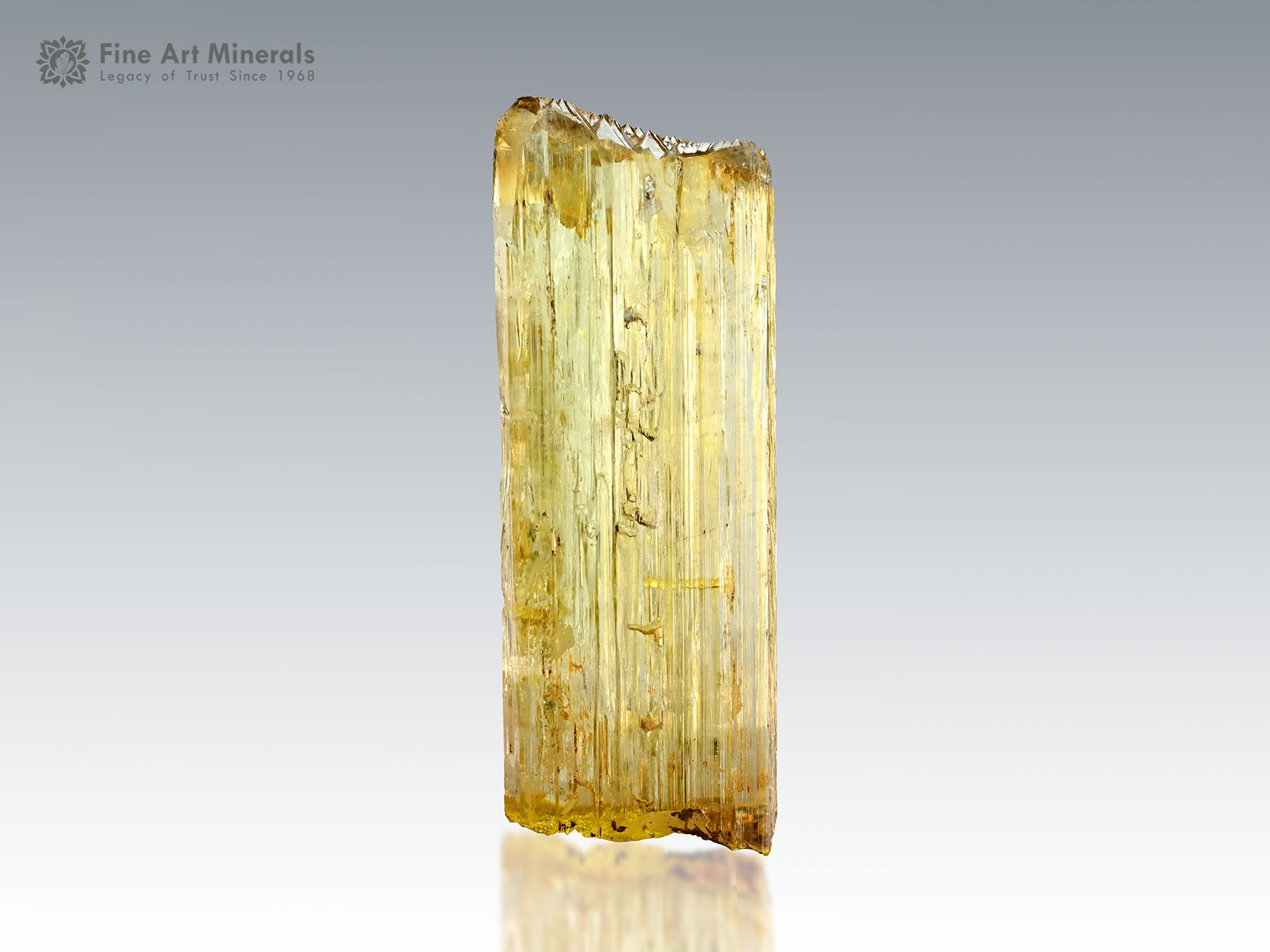
When it’s at its best, it’s glassy and gemmy, with hues that shift depending on how you hold it. Some crystals show off a soft lilac; others beam with golden yellow or deep green. Many Spodumene crystals exhibit pleochroism, meaning their color changes with the angle of the light.
These crystals can grow to astonishing sizes. Some have been found over 14 meters long, taller than a four-story building. It’s no wonder pegmatite miners often treat them with a mix of awe and caution.
But Spodumene isn’t just pretty — it’s fragile. It has perfect cleavage in two directions, meaning it can split cleanly along its internal planes. That’s great for geologists who want to study it, but it makes life tricky for gem cutters. One wrong tap, and a flawless crystal could snap in two.
What Makes Spodumene Valuable?
Like any gemstone, the value of Spodumene depends on a handful of key factors — but it’s not just about sparkle. It’s about color, clarity, origin, and rarity.
Let’s break it down by type:
💗 Kunzite
This pink-to-lilac variety of Spodumene is the most widely known and collected. What drives its value?
- Color is king. The richer and more saturated the pink or violet, the more sought-after it is. Afghan Kunzites are known for their vibrant, glowing tones.
- Clarity is also critical. A crystal that’s clean to the eye and free from internal fractures is rare — and highly prized.
- Size matters. Larger, transparent Kunzites (10 carats and above) are stunning, but challenging to cut without shattering. That difficulty adds to their value.
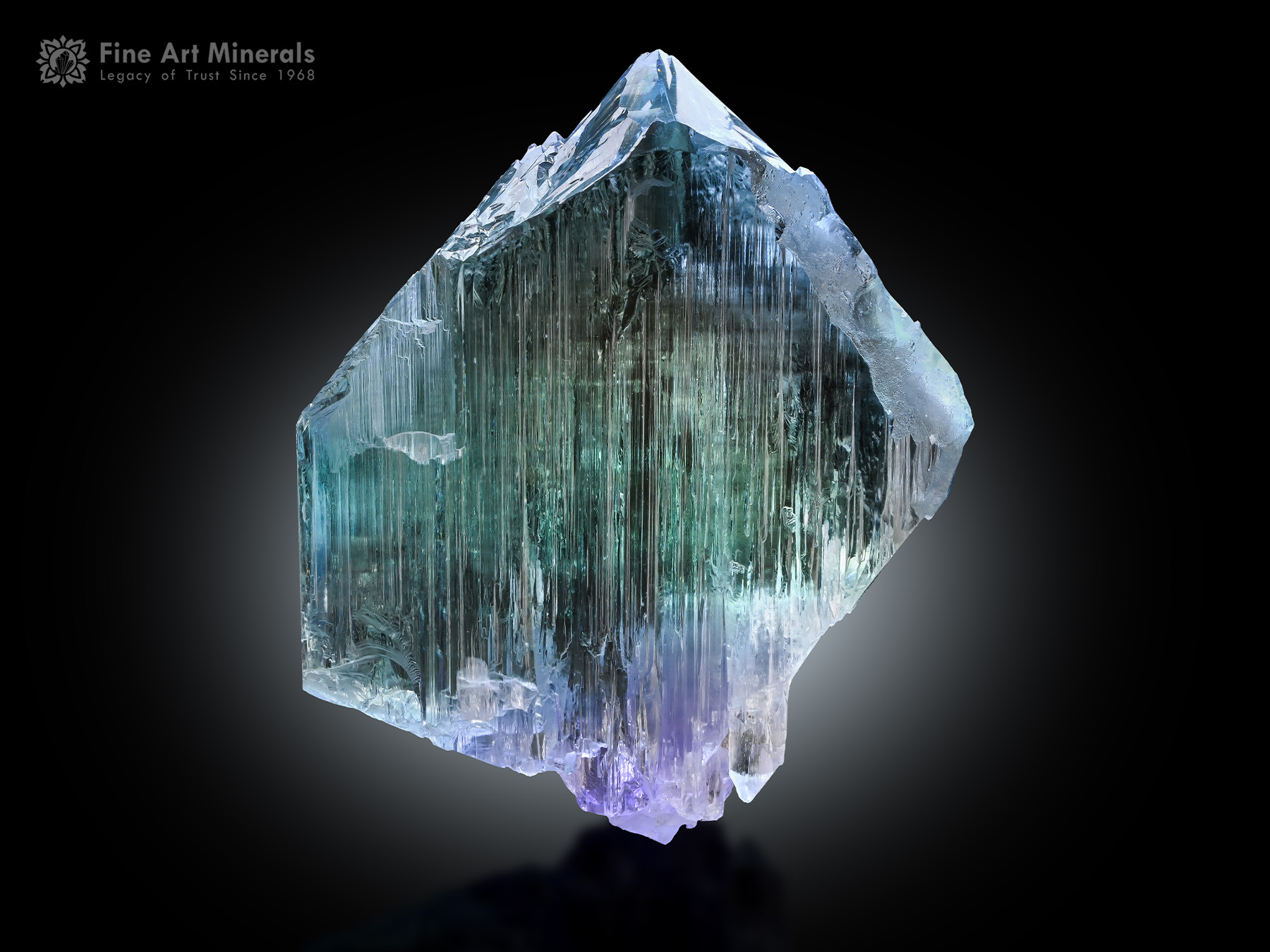
💚 Hiddenite
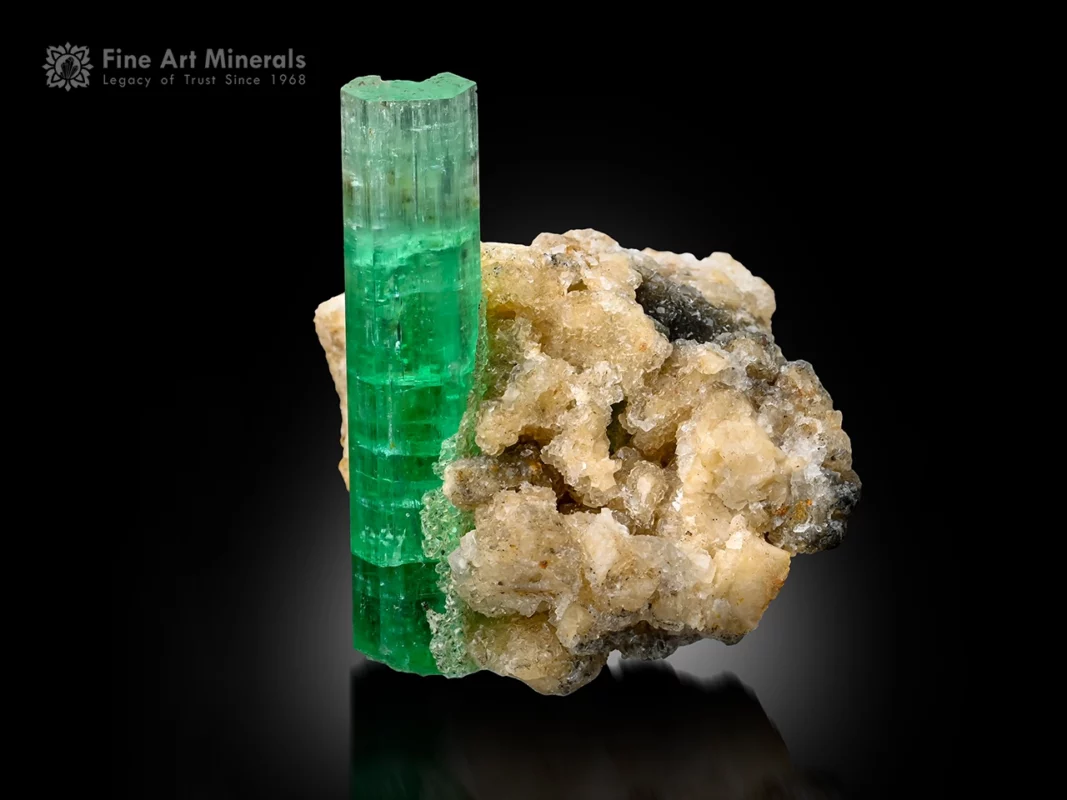
The green variety, colored by chromium, is much rarer, especially in fine quality.
- True Hiddenite comes primarily from North Carolina, but recent finds in Pakistan have excited collectors.
- It’s not as commonly cut into gems, which makes faceted stones even more collectible.
💛 Triphane
This pale yellow-to-greenish type is usually more affordable but still lovely in its own right. While it lacks the name recognition of Kunzite or Hiddenite, a well-cut Triphane with good clarity and color can hold its own.
Beyond type, origin can also shape the market. Gems from famous localities — like Nuristan in Afghanistan or the classic North Carolina mines — often carry an added historical or aesthetic weight that appeals to serious collectors.
Why Should You Care About Spodumene?
Spodumene is quietly shaping your world.
If you’ve ever admired a delicate pink Kunzite pendant, or if you’re reading this on a device powered by a lithium battery, you’ve already met Spodumene in one of its forms.
It’s rare to find a mineral that bridges two industries: fine jewelry and green energy. And yet, here it is — shimmering in display cases and fueling innovation in the tech world, all at the same time.
It’s the kind of mineral that makes you look twice. And once you do, it’s hard to forget.
Is Spodumene Ever Treated or Enhanced?
Yes, sometimes. And that’s okay — as long as you know what you’re buying.
Spodumene, particularly Kunzite, is sometimes heat-treated to improve its color. This isn’t unusual in the gemstone world, and it’s generally accepted, but untreated stones with naturally strong color do command a premium.
A few things to watch for:
- Color too perfect? That might mean it’s been enhanced. Natural Spodumene often shows slight color zoning or variation.
- No fading over time? Natural Kunzite can lighten when exposed to sunlight. If your stone stays bright pink after years on display, it may have been stabilized.
- No paperwork? Ask for it. Trustworthy dealers will disclose treatments and often provide gemological reports.
In the mineral collecting world, some specimens are also irradiated to deepen color. While not dangerous, these enhancements should always be disclosed, and natural, untreated crystals will always be more valued by purists.
How Do You Care for Spodumene Crystals and Gemstones?
Spodumene has that bold, glassy glow that says, “I’m strong.” But don’t be fooled by its confidence. Beneath that radiant surface lies one of the more delicate personalities in the gem world. Collectors know — it’s not a stone you handle carelessly. It demands a little respect.
Why? It all comes down to its internal structure. Spodumene has what’s known as perfect cleavage, which means it can split cleanly and easily along natural planes. It doesn’t take much — a sharp tap, a drop on a hard surface, or even a quick temperature change can cause it to fracture. It’s like glass masquerading as crystal — stunning, but sensitive.
So if you’re lucky enough to own a piece (or thinking about it), here’s how to treat it right:
1. Keep it out of the spotlight — literally.
Kunzite, the pink variety of spodumene, has a habit of fading in strong light. If you want to hold onto that soft blush, don’t leave it baking on a windowsill. Store it somewhere cool, dark, and safe.
2. Let it have its own space.
Spodumene doesn’t play well with tougher stones like sapphire or quartz. Tossing them together in a jewelry box? Bad idea. It’s better off in its own padded pouch or a separate compartment — think of it as a VIP that doesn’t do crowds.
3. Gentle cleaning only.
No ultrasonic cleaners, no chemical cocktails. Just lukewarm water, a soft cloth or brush, and a little patience. The goal is sparkle without stress.
4. Save it for the right moment.
This isn’t a daily-wear stone. In rings or bracelets, it’s best reserved for occasions where you’re not lifting, bumping, or risking it. Display it, admire it, wear it when you’re not rushing through your day.
In short, spodumene isn’t for the careless. But if you’re the kind of person who appreciates a quiet, luminous beauty — one that rewards gentleness — then you’ll find it more than worth the effort. With a little love, it stays radiant for years to come.
What’s Spodumene Worth?
Spodumene might not have the celebrity status of rubies or emeralds, but that’s part of the charm. It delivers top-tier beauty — without the eye-watering price tag.
Take Kunzite. Lively pinks to violet tones can start at $10 to $20 per carat. Go richer in tone, and prices jump to $30–$60. And if you stumble upon an exceptional, untreated piece that’s big and clean? You’re looking at $100+ per carat. One 15.5-carat gem from Afghanistan was recently priced at $90 per carat.
Hiddenite — the green version — is rarer, and it shows in the pricing. Stones between 8 to 30 carats can fetch $250 to $900, while high-quality examples average around $15–$30 per carat. Even the rough stuff holds its own, with wholesale rates for Kunzite rough landing between $0.50 and $3 per carat.
For collectors, Spodumene offers a golden (or pink, or green) opportunity: top-tier clarity, great size, and mesmerizing color at approachable prices. And with pieces coming from so many distinct localities, each one carries a bit of that region’s character.
What are Spodumene’s Properties
Spodumene isn’t just eye candy — it has some fascinating traits that set it apart.
Basic Mineral Stats
- Mineral Group: Pyroxene
- Chemical Makeup: LiAlSi₂O₆ (Lithium Aluminum Inosilicate)
- Crystal System: Monoclinic
- Typical Habit: Long, prismatic crystals — sometimes reaching meters in length
- Transparency: Transparent to translucent
- Luster: Glassy or vitreous
- Fracture: Uneven, splintery
- Cleavage: Perfect in two directions (makes cutting it tricky)
- Density: ~3.1–3.2 g/cm³
- Refractive Index: ~1.660–1.681
- Pleochroism: Very noticeable, especially in Kunzite — different colors show from different angles
Spodumene’s Hardness & Durability
Spodumene is no slouch on the Mohs scale, clocking in at 6.5–7. But here’s the catch: that perfect cleavage makes it sensitive to sudden knocks or heat changes. It’s strong but needs a little pampering, especially if worn daily.
Spodumene’s Colors and Varieties
| Variety | Color Range | Trade Name | Notes |
| Kunzite | Light pink to violet | Kunzite | Rare, colored by chromium |
| Hiddenite | Green to emerald, green | Hiddenite | Lesser known, soft tones, underappreciated |
| Triphane | Yellow to colorless | Triphane | Lesser known; soft tones, underappreciated |
| Colorless | Clear | — | Uncommon, mostly for collectors |
Spodumene’s Optical Personality
- Pleochroism: Especially in Kunzite — you’ll see a pink shift to violet depending on the angle.
- Fluorescence: Yes! Kunzite often glows under UV — usually soft orange or pale violet.
- Thermal Shock Sensitivity: Prone to cracking under rapid temperature changes due to internal stress and cleavage.
Spodumene’s Quick Reference Table
| Property | Description |
| Chemical Formula | LiAlSi₂O₆ |
| Crystal System | Monoclinic |
| Mohs Hardness | 6.5–7 |
| Luster | Vitreous |
| Cleavage | Perfect in two directions |
| Density | 3.1–3.2 g/cm³ |
| Pleochroism | Strong, especially in Kunzite/Hiddenite |
| Refractive Index | ~1.660–1.681 |
| Transparency | Transparent to translucent |
| Fluorescence | Common in Kunzite under UV |
| Common Colors | Pink, green, yellow, colorless |
| Notable Varieties | Kunzite, Hiddenite, Triphane |
Final Thoughts
Spodumene is one of those minerals that surprises you the more you learn about it. At first glance, it might just seem like a colorful crystal — pretty, yes, but maybe not something that stands out in a world full of dazzling stones. But give it a closer look, and it starts to tell a much bigger story.
It’s rare to find a mineral that lives such a double life. On one hand, it’s delicate, beautiful, and cherished by collectors, especially in its Kunzite and Hiddenite forms. On the other hand, it’s tough, practical, and powering some of the most important tools in our daily lives through its lithium content. That contrast is part of what makes it so fascinating.
And beyond the science or market value, there’s something deeply satisfying about holding a well-formed piece of Spodumene. It’s a literal piece of Earth’s history — shaped over millions of years, formed under intense pressure, and carried up from the depths to land in a cabinet, a display case, or even your palm.
So, whether you’re drawn to it for its gentle pinks, electric greens, or its role in shaping the future of clean energy, one thing’s for sure: Spodumene isn’t just another mineral. It’s a reminder of how much beauty, power, and mystery can be packed into a single crystal. And that’s what makes it worth remembering — and collecting.
Frequently Asked Questions about Spodumene
1. What is spodumene used for beyond collecting?
Spodumene is a major lithium ore, critical for making lithium carbonate and hydroxide, essential for electric vehicle batteries, electronics, and energy storage.
2. How much lithium does spodumene contain?
Spodumene ranks among the highest lithium-bearing minerals, making up a prime source of lithium for industrial purposes.
3. How is lithium extracted from spodumene?
Lithium extraction involves crushing and roasting the ore, then treating it (acid or alkaline) to separate lithium salts. Typically, 7–8 tonnes of spodumene concentrate are required for 1 tonne of lithium salts.
4. Are gem-quality spodumene crystals rare?
Yes. While spodumene in general is common, gem-quality varieties like Kunzite and Hiddenite—especially large, undamaged, vibrantly colored specimens—are significantly rarer.
5. Can spodumene crystals be massive?
Absolutely. In pegmatite veins such as the Black Hills (South Dakota), spodumene crystals up to 14 meters long have been found—and even one as large as 47 feet in another location.
6. Does Kunzite fade in sunlight?
Yes. Kunzite is photosensitive—prolonged sunlight exposure can cause color fading. For long-term preservation, keep it out of direct light.
7. Do spodumene varieties fluoresce under UV light?
Definitely. Many Kunzite specimens emit a soft orange to pale violet glow under UV light. This fluorescence is a collector favorite.
8. Is spodumene fragile?
Yes. It has perfect cleavage in two directions, making it prone to splitting from sharp impacts or thermal shifts.
9. Is spodumene eco-friendly to mine?
Mining spodumene uses significant energy, water, and processing reagents, and can carry environmental risks. Modern operations aim to reduce impact with closed-loop systems and cleaner processing methods.
10. Why do collectors care about origin?
Locality plays a big role in value. For instance, Hiddenite from North Carolina and Kunzite from Nuristan carry historical significance and exceptional crystal quality.